
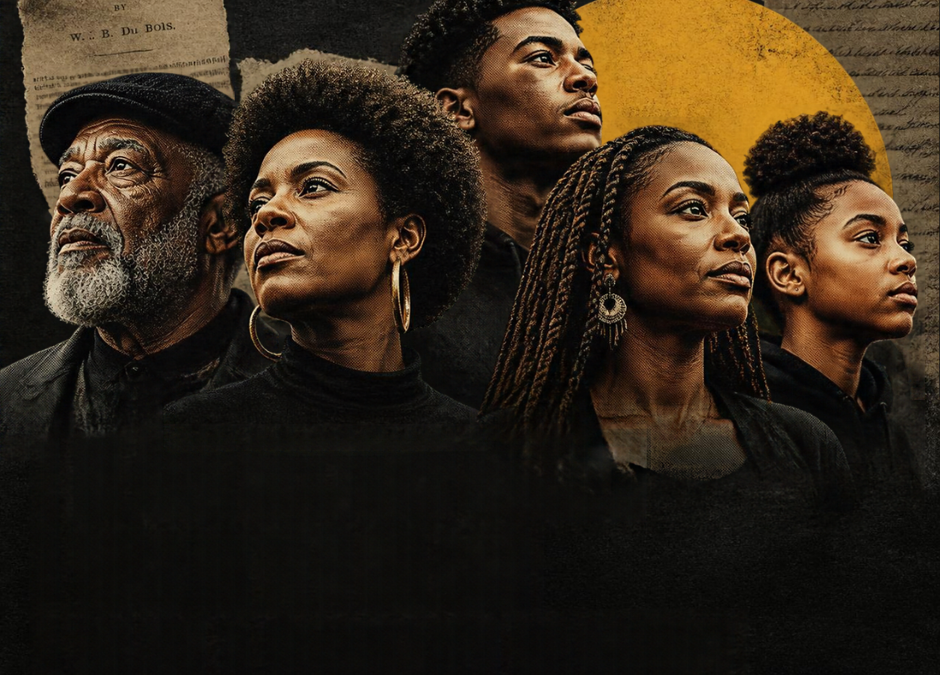
Every October in the UK, we talk about Black history. We celebrate Black achievements, share stories that have been overlooked, recognise people who have changed the world and make space for conversations that should have been happening all year. It matters because history has never been told equally, and the contributions of Black people have too often been minimised, distorted or left out altogether.
But every year, I find myself thinking about what Black History Month is supposed to achieve, and what happens when we become so comfortable with the celebration that we avoid the more difficult conversations. Because Black History Month was never meant to be a comfort blanket. It was never meant to be a month when we acknowledge a few familiar names, share some inspirational quotes, attend an event or two, and then return to business as usual. And it certainly was not meant to be a way of making ourselves feel better about a history, and a present, that we have not fully confronted.
We cannot celebrate Black history and ignore racism.
There is something deeply contradictory about celebrating Black excellence while ignoring the conditions in which Black people continue to live, work and navigate society.
We celebrate the achievements of Black leaders, artists, activists, academics, entrepreneurs and pioneers, yet, too often, we are less comfortable talking about why those barriers existed in the first place, why some remain firmly in place, and who continues to benefit from systems that make progress harder for some than for others.
That is where Black History Month can lose its purpose. Not because celebration is wrong, but because celebration without reflection can become another way of avoiding accountability. Black history is not separate from the history of racism. The two are intertwined. To understand the achievements, we must also understand the exclusion, exploitation, resistance and determination that shaped the conditions in which those achievements took place.
And if we are serious about honouring that history, we must also be willing to confront the racism that continues today. One of the difficulties with how we talk about racism is that we often position it firmly in history. We speak about slavery, colonialism, segregation and the struggles for civil rights as though racism belongs to another time, something we have studied, learned from and moved beyond. But racism is not simply a historical injustice that we can acknowledge once a year. It is also a present-day reality, experienced in workplaces, schools, public services, housing, healthcare and everyday interactions.
It can be loud and explicit, but it can also be subtle, embedded in policies, reflected in assumptions and reinforced by decisions that appear neutral until we look more closely at who is affected by them. It can show up in the opportunities people are offered, whose expertise is trusted, whose concerns are taken seriously and whose experiences are dismissed. And sometimes, it shows up in the silence that follows when someone speaks about racism.
If an organisation can find the time to celebrate Black History Month, it can also find the time to examine its recruitment practices, listen to staff experiences, review how complaints are handled and consider whether its culture allows racism to be challenged openly.
We cannot talk meaningfully about Black history while refusing to listen to Black people when they describe what is happening to them now. We cannot celebrate those who challenged injustice in the past while expecting people today to accept discrimination quietly, explain their experiences repeatedly or prove beyond doubt that what happened to them was racist.
Black History Month should not be reduced to representation.
Having a Black person in a leadership role does not automatically make a workplace anti-racist. Featuring Black authors during October does not necessarily mean a school has examined whose histories are taught throughout the year. Inviting a Black speaker to an event does not mean an organisation is prepared to listen when that same person challenges its policies or practices. We need to be careful not to confuse visibility with progress.
Who gets represented matters, but so does who gets heard, who gets opportunities, who holds influence and who has the power to shape decisions. We must also ask whether people can challenge racism without being labelled difficult, whether their concerns lead to action and whether they are supported beyond the moment when their presence is useful.
Black people should not have to be exceptional to deserve fairness. They should not have to tell a moving story, demonstrate extraordinary resilience or make others comfortable before their experiences are taken seriously. Equality should not be a reward for excellence, it should be a basic expectation.
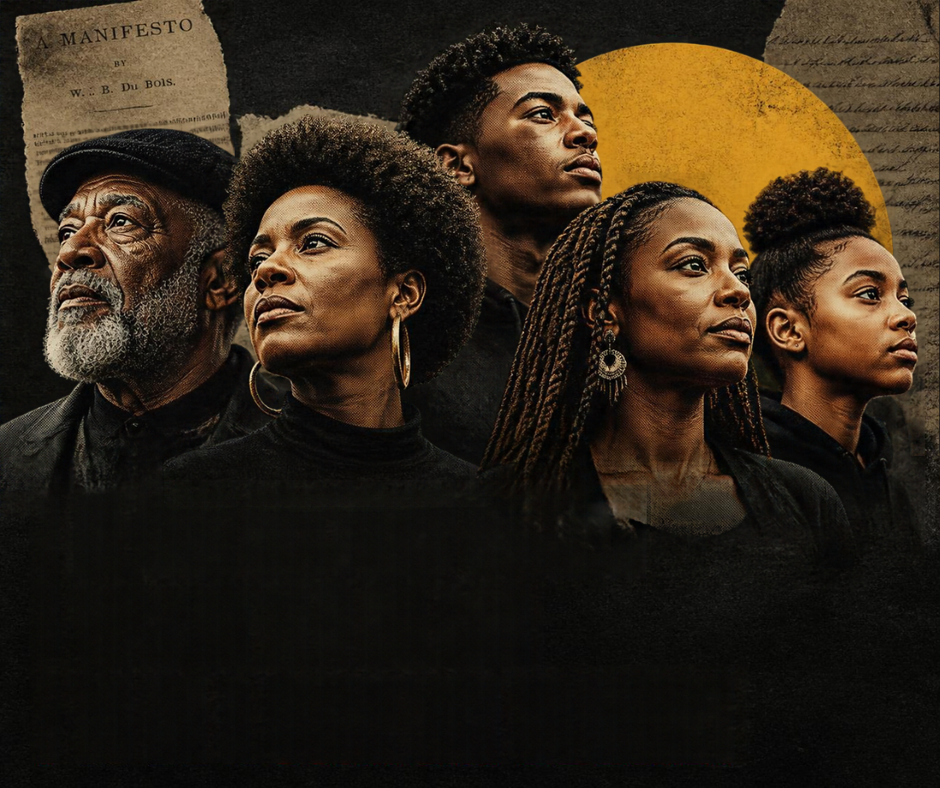
So, what should Black History Month be?
For me, it should be an opportunity to learn, reflect and act. It should create space for stories that have been excluded, challenge the versions of history we have accepted without question, and encourage us to examine how the past continues to shape the present.
It should also remind us that Black history is not one story. It includes struggle and resistance, but also joy, creativity, innovation, ordinary lives, family histories, cultural contributions and futures still being shaped. Black people should not be represented only through suffering, and Black history should never be reduced to a list of injustices followed by a few stories of triumph.
There is richness, complexity and diversity in those histories, and they deserve to be understood throughout the year rather than confined to a single month.
For organisations, schools, institutions and employers, that means looking beyond the events and displays. It means asking what has changed in practice, whose voices influence decisions, what barriers remain and what happens when racism is reported or challenged.
For individuals, it means being willing to learn beyond what is familiar, listen without immediately becoming defensive, and recognise that not knowing something is not the problem. Refusing to learn once it has been brought to our attention is another matter.
And for all of us, it means understanding that challenging racism is not something we do for Black people as an act of kindness. It is work we must be willing to do because racism is wrong, because its consequences are real, and because the kind of society we build affects us all.
The real test comes after October.
I do not want Black History Month to disappear, I want it to mean more.
I want us to celebrate Black people without turning their achievements into convenient stories that allow us to overlook the inequalities around them. I want us to recognise the past without pretending it has no bearing on the present. I want the conversations that begin in October to continue in November, January, April and every other month when there is no campaign, no themed event and no particular reason for people to be paying attention.
If an organisation can find the time to celebrate Black History Month, it can also find the time to examine its recruitment practices, listen to staff experiences, review how complaints are handled and consider whether its culture allows racism to be challenged openly. If a school can dedicate time to Black history in October, it can also consider how those histories are represented throughout its curriculum. If we can celebrate people who stood against racism in the past, we can also support those challenging it today, including when their message is uncomfortable or their experiences do not fit the narrative we would prefer.
This is part of why the work the North East Anti-Racism Coalition is doing across the North East matters. Through research, conversations and initiatives such as Become the Bridge, it’s working to move beyond acknowledgement and towards a clearer understanding of how racism is experienced and what practical action can look like. And their report, Exposing Racism in the North East, gives us evidence of what people across our region have been saying for a very long time. It creates an opportunity to look more closely at those experiences and consider what needs to change. But evidence alone will not bring about that change, what matters is what we do with it.
Black History Month should not be a box to tick, a reputational exercise or a month of carefully chosen words that leave existing structures untouched. We owe that to the people whose histories were deliberately excluded, to those who continue to experience racism, and to the generations who deserve something better than a repeated cycle of recognition followed by inaction.
So, as we continue to mark Black History Month, let us celebrate. Let us learn. Let us tell the stories that need to be told. But let us also be honest about racism, willing to confront it and prepared to do the work long after October has ended.