
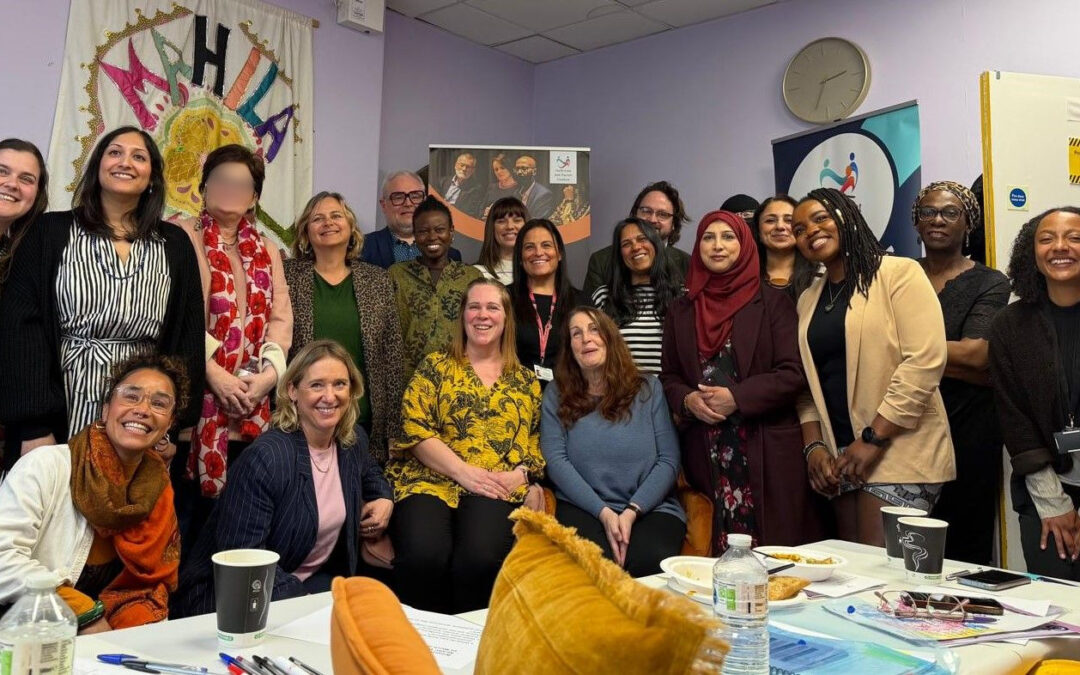
Last month, the North East Anti Racism Coalition (NEARC) kicked off a series of roundtables to discuss our research findings on the nature and extent of racism across the North East. NEARC is a movement of individuals and organisations of all ethnicities committed to helping to make the North East a region that actively opposes racism and hatred based on religious identity.
Research was carried out by Peter Hopkins of Newcastle University, gathering evidence of lived experience of racism in the North East with over 600 people responding. NEARC plan to publish this full report in September 2026, but between now and then, we are convening a number of roundtables to discuss specific themes from the research and co-create meaningful recommendations that will make a difference.
The first roundtable, hosted by Erin Parker Leonard of Represent Women and co-hosted with CEO of The Angelou Centre, Faty Kane was all about Women and Girls.
The report found that 27% of survey respondents felt that the risk of experiencing racism was higher for women and 31% referred to a headscarf and head covering as a key factor that posed a higher risk.
We were joined by many organisations and individuals including, Al-Falaq Counselling, West End Women in Need, One Million Women and Girls, Newcastle Council, Northumberland County Council, a representative from the Police and Crime Commissioner for Northumbria and the Police and Crime Commissioner for Cleveland.
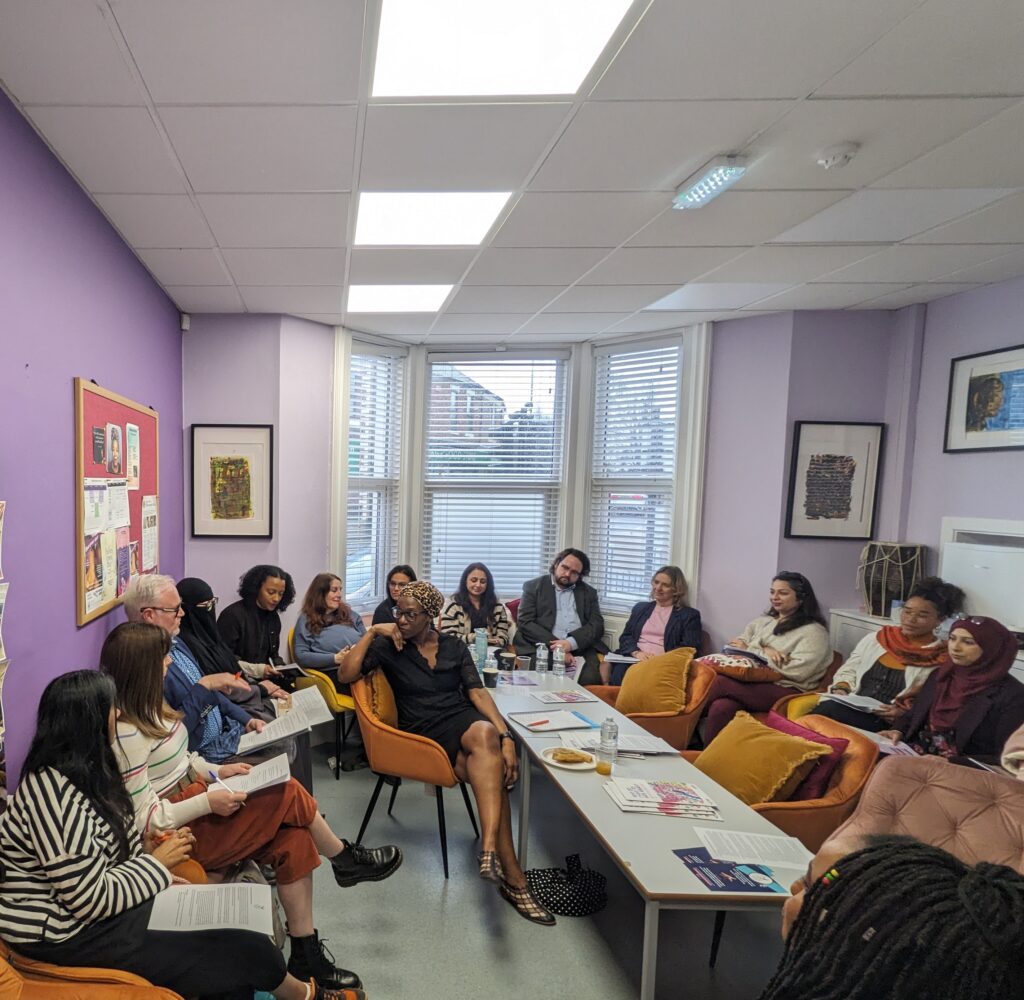
We also heard from Mary Udeze and Izzalia Izzi Mustafa on their lived experience as women facing racism in the North East.
Mary works at Northumbria Student’s Union as the first black female President, and prioritises initiatives that strengthen women’s safety, visibility and sense of belonging on campus. She talked about how she supports students who regularly experience racism first hand to feel a deeper sense of belonging, She encourages inclusion, including most recently, adding diverse foods to the cafeteria menu and stressed the importance of co-creation when taking action towards anti-racism, to ensure all voices are heard.
Izzalia is a Violence Against Women and Girls Advocate with frontline experience supporting Black and minoritised women. She bravely shared her experience of racism and how it increased when she began wearing the Hijab. She talked about the lack of understanding she’s seen around Muslim women and the autonomy they have around how they dress. She regularly experiences freedom restricting harassment, now relying on her husband or trusted relatives to drive her to work after experiencing racism on the streets.
We invited others in the room to share their own reflections and experiences and discussed how racism is being seen through all generations. The generations who worried about themselves but had hopes for the future, are now also worrying about children and grandchildren.
My 7-year-old grandchild had their first experience of racism this week.
And some are being targeted by young people. In a previous customer service role, a 9-year-old child said to Izzalia (wearing a Hijab),
My parents said I shouldn’t talk to people who look like you because you’re a terrorist.
We heard that the North East felt safe for a lot of people, but the culture has changed since Brexit, and I would even go as far to say that there was a significant change after 9/11. Attendees mentioned that people seem more emboldened to have opinions that wouldn’t have been accepted before. Leaders and people in positions of power are openly using harmful language which condones and encourages the behaviour elsewhere.
There was also hope in the room. Police and Crime Commissioner for Cleveland Matt Storey, shared a heartwarming story of how a person with racist inclinations can change, highlighting the importance of investing time, having patience and talking in a non-judgmental and safe space.
78% of people who responded to the survey said racism was a daily issue for them.
69% of people who responded to the survey said racism is getting worse.
The group discussions were buzzing with all sorts of ideas and critical thinking in regards to the report and recommendations.
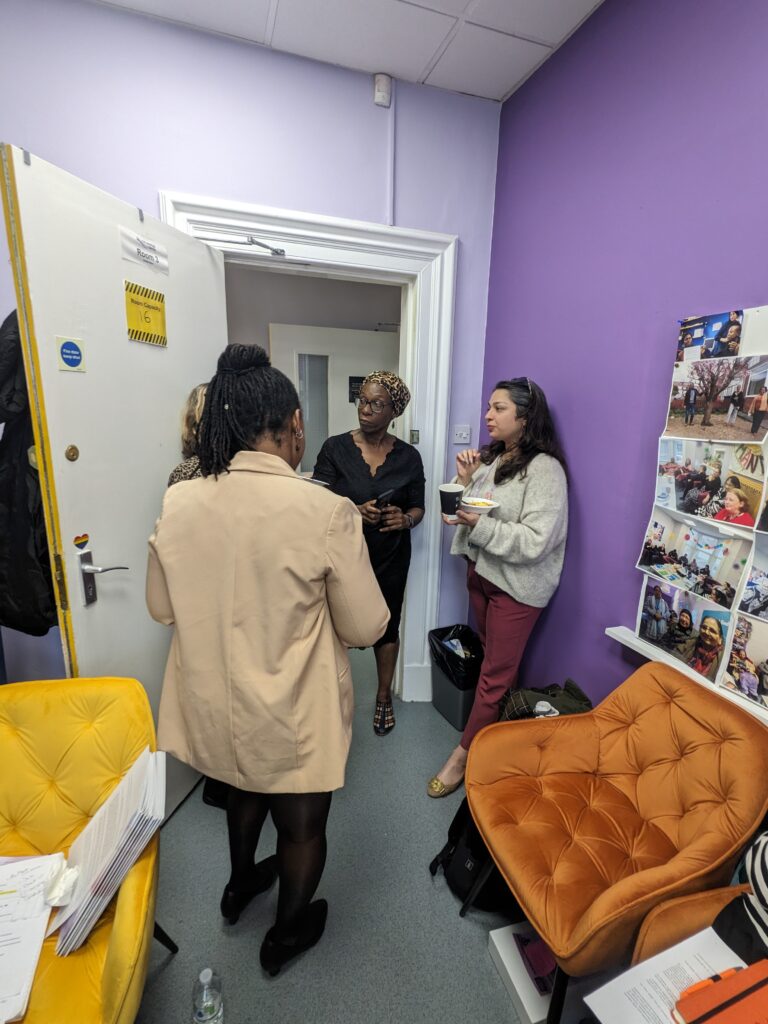
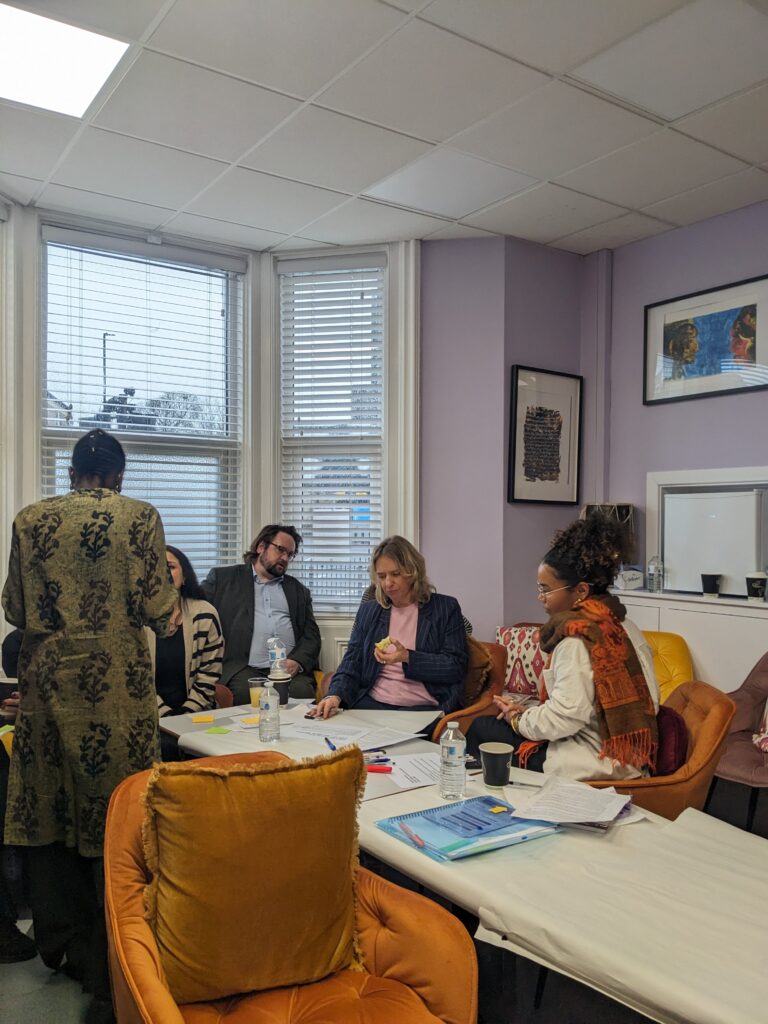
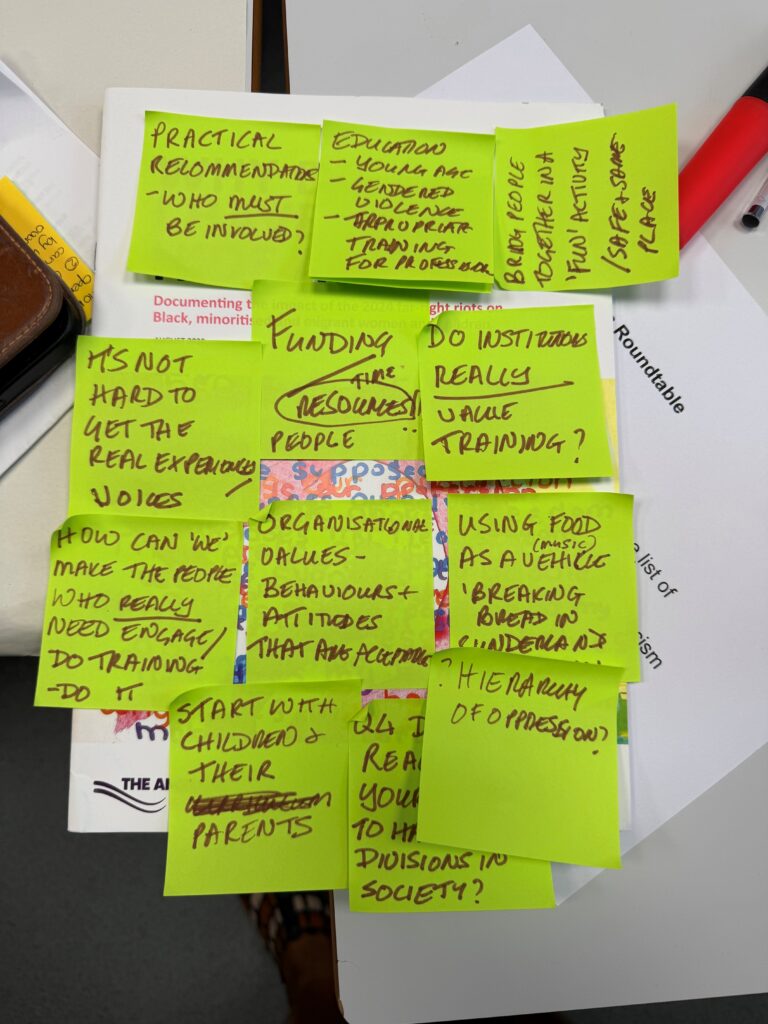
Funding came up a few times, with attendees highlighting the importance of funders recognising that they play a part in tackling anti-racism and organisations needing the financial support to do the valuable work.
Organisational values were also discussed and the need to embed anti-racist practice into our everyday working lives as well as our personal lives. With the help of the Become the Bridge pledge, your organisation can be supported in doing this.
Breaking down barriers was a consistent theme and the ways in which we can do this, including using food and “kitchen table” discussions, which keep things informal and light-hearted whilst addressing these very serious issues. An example of this was shared called The Breaking Bread project in Sunderland. An intergenerational storytelling initiative launched in the 2025/2026 academic year, connecting Highfield Academy pupils, families, and the wider community through shared food, recipes, and recorded stories.
The research findings show that language is very important and a lot of language that is derogatory is used by those in positions of power like public figures such as MPs and representatives and media which in turn influence our attitudes. Language informs behaviour!
Everyone agreed that anti-racism is a women’s rights issue, and we need conversations with a gendered lens around racism. Attendees mentioned that evidence tells us women and girls feel safer to remain silent, than talk on their experiences as well as reporting which leads to isolation, exclusion, and poor mental health.
A key theme that came up during feedback was the importance and value of hearing from people with lived experience. I have realised since joining NEARC, that although I don’t often share my own experiences of racism, there are people who may need to hear them and there is a power and strength in all of our narratives.
The roundtable event felt like a warm and supportive space to be part of. It was a privilege to listen to women sharing their lived experiences, and to do so in an environment built on trust and care. Being part of a solution‑focused discussion with people from purposefully diverse backgrounds and roles felt powerful and reinforced the importance of creating spaces where different perspectives are valued and inform meaningful change – Erin Parker Leondard
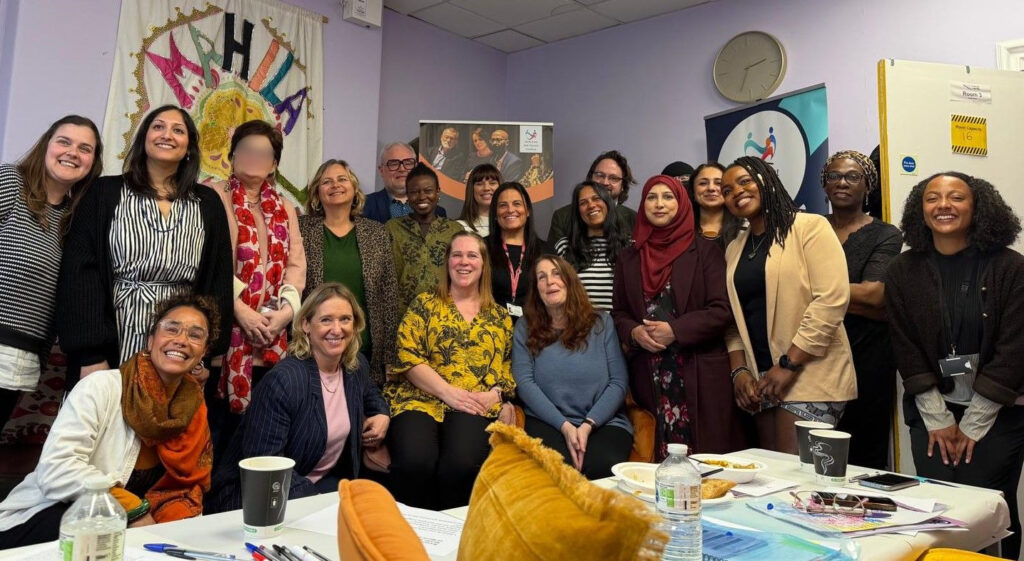
NEARC will continue organising roundtable discussions over the coming months, to get insight, discuss the report and share stories with a mix of decision makers and people with lived experience in the room.
Keep up to date and watch this space for future updates:
Sign up to NEARC’s mailing
NEARC LinkedIn
Facebook
X